Easter preparations in Croatia unfold throughout Lent. With March behind us, we’re ready to celebrate by sharing traditional specialties with our loved ones. Explore the treats we have prepared for you!
Traditional Croatian Easter Traditions and Desserts
Croatian cuisine is delicious, and desserts are no exception. Many Easter cakes overlap with Christmas treats due to longstanding traditions. Below are some popular Easter desserts.
1. Sirnica - For Easter Breakfast
Sirnica, or Easter Bread, is a Croatian Easter symbol. This is a sweet cake resembling brioche and often flavored with raisins, rum, and orange or lemon zest. It’s a sweet pastry essential to the Easter morning table. People in Croatia enjoy it on Easter Sunday and Monday with milk, coffee, or tea.
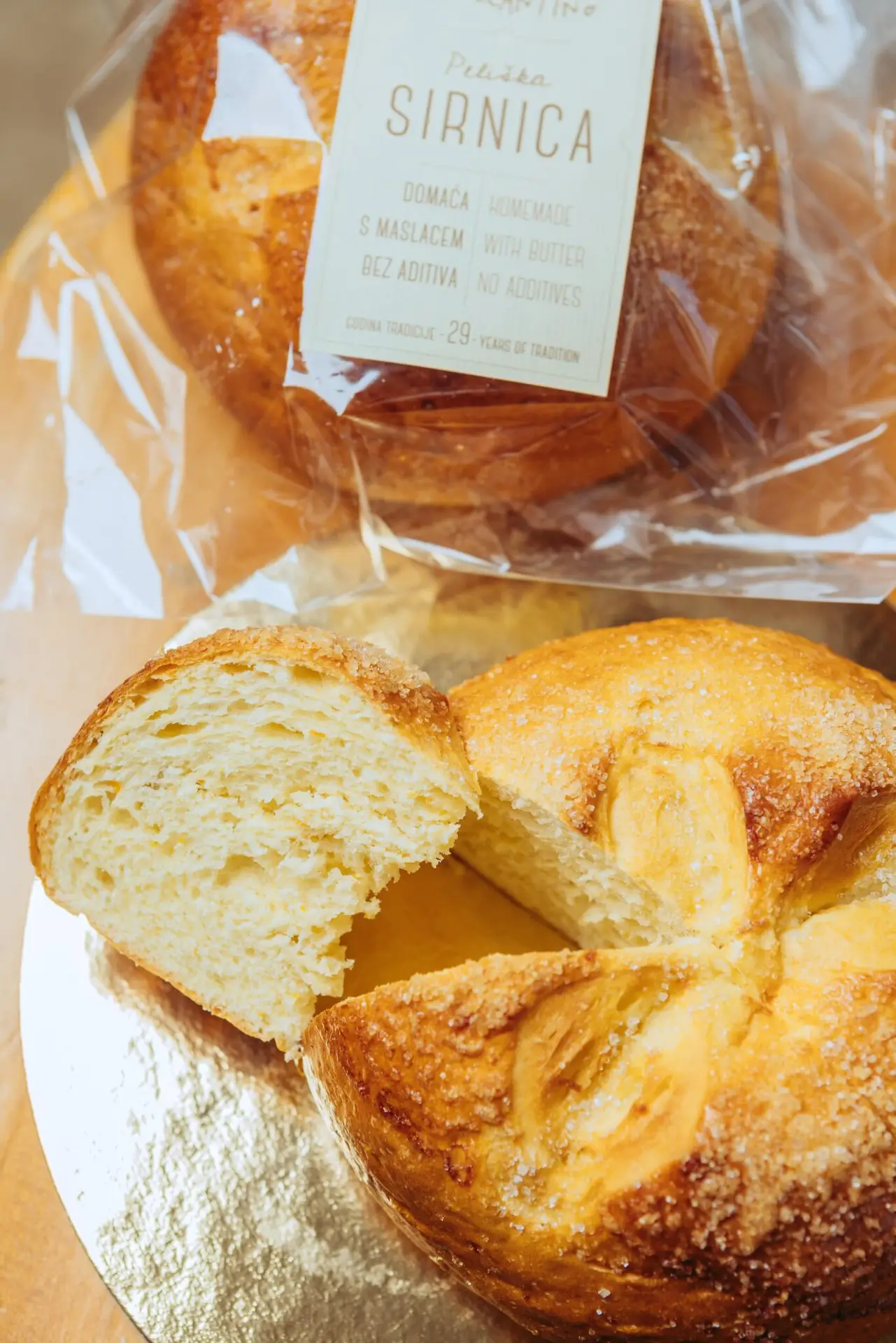 Sirnica, source
2. Pletenica - Braided Bread for Easter Day
Pletenica, or Sweet Braided Bread, is a great holiday choice. Along with sirnica, it is the star of the holiday table. It is most often made from soft dough enriched with eggs and butter, and flavored with citrus, and can be shaped into a long braid.
 Pletenica, source
3. Mandulat -Classic Dalmatian Delicacy
Mandulat is made of egg whites, sugar, honey, and fried almonds. Usually sliced into sticks and sandwiched between two sheets of wafer, it resembles Italian torrone. It’s an authentic treat and a thoughtful gift for the festive season, symbolizing affection. You can also bring one as a souvenir, as it is available in many supermarkets.
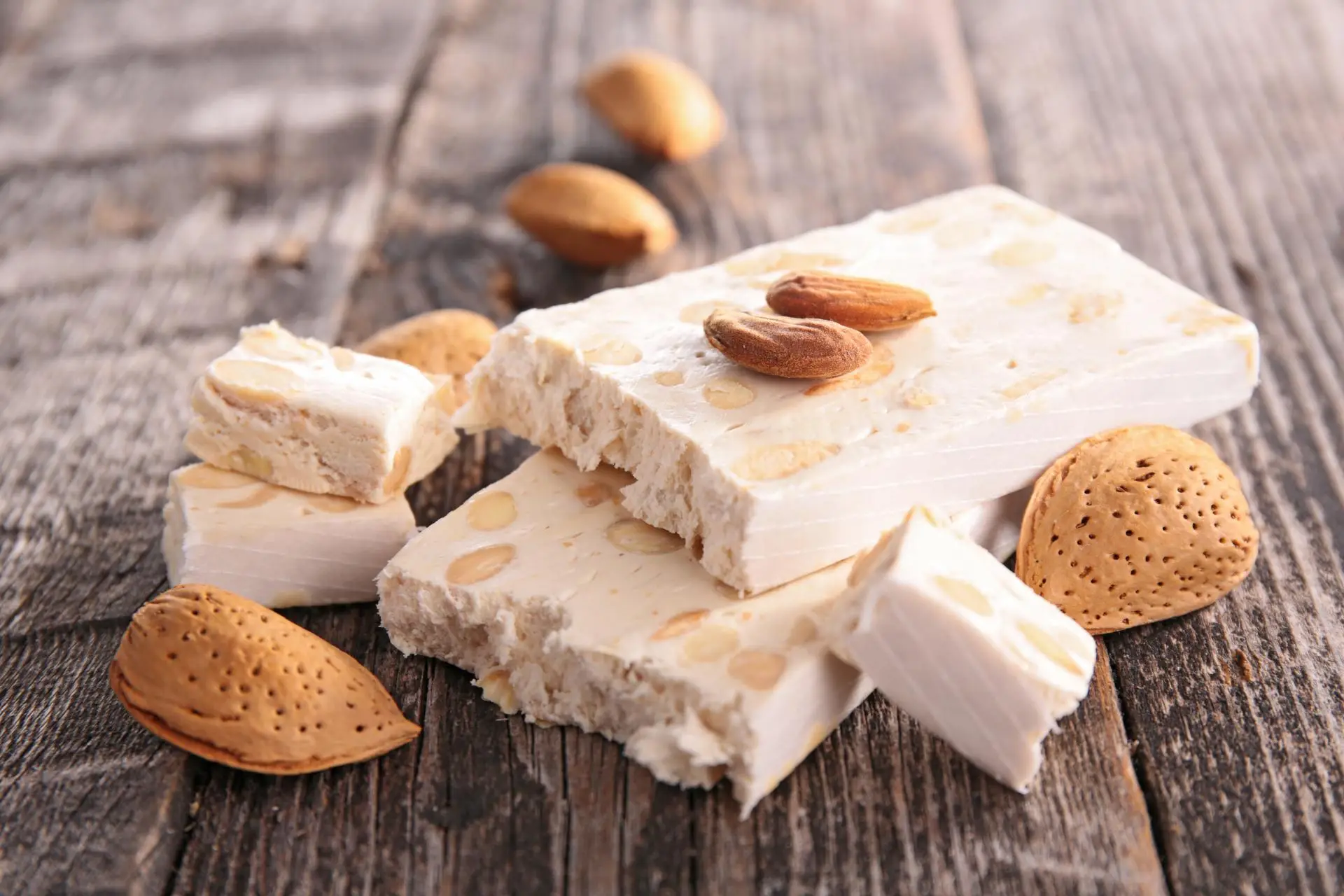 Mandulat, source
4. Rozata - Traditional Dessert
Rozata is a traditional Dalmatian pudding. Like Spanish flan, Italian creme caramel, and French creme brulee, it is a caramel-infused egg cream dessert. The most famous is rozata from Dubrovnik. It differs from similar recipes in its key ingredient: rose petal liqueur, known as Rozulin.
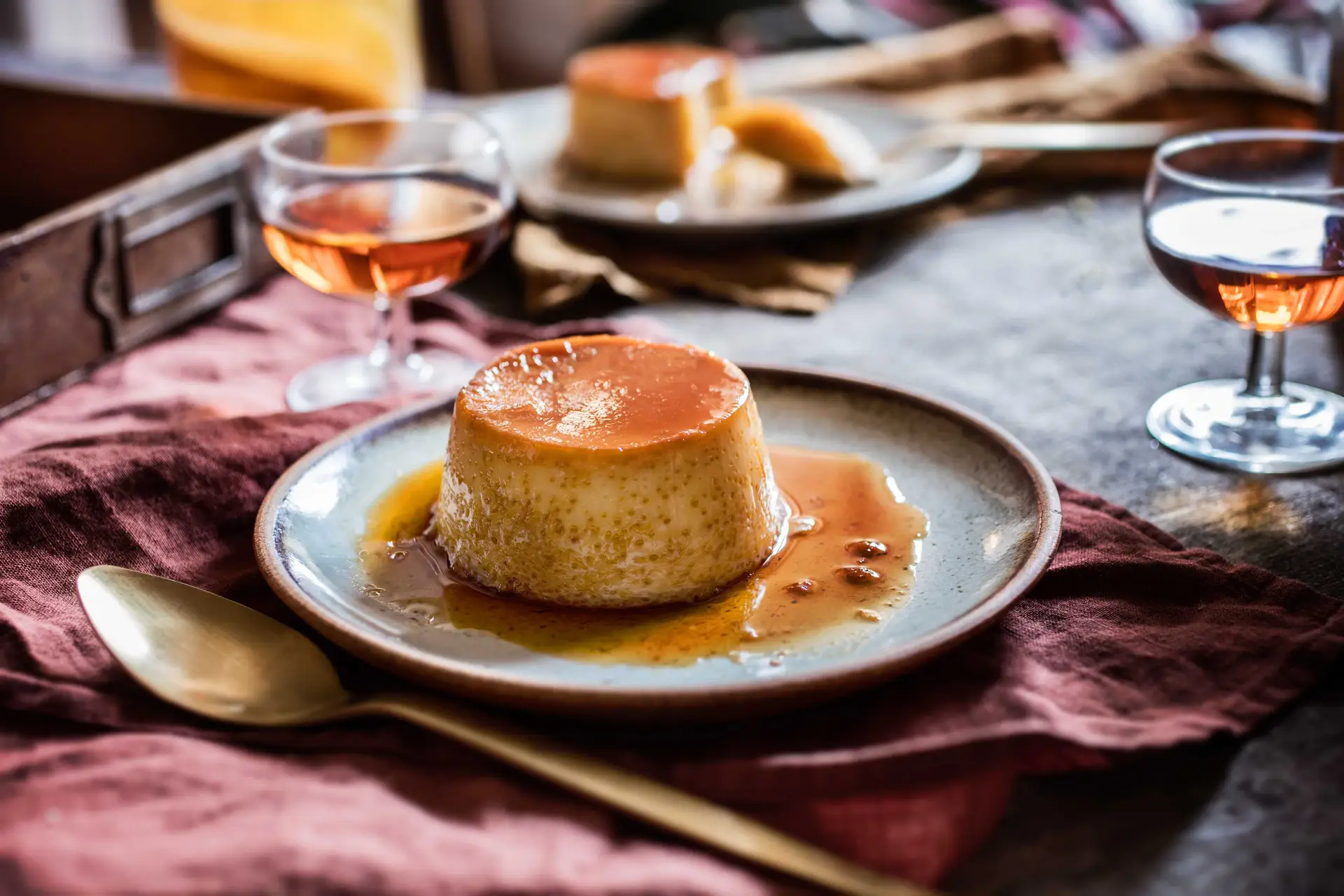 Rozata, source
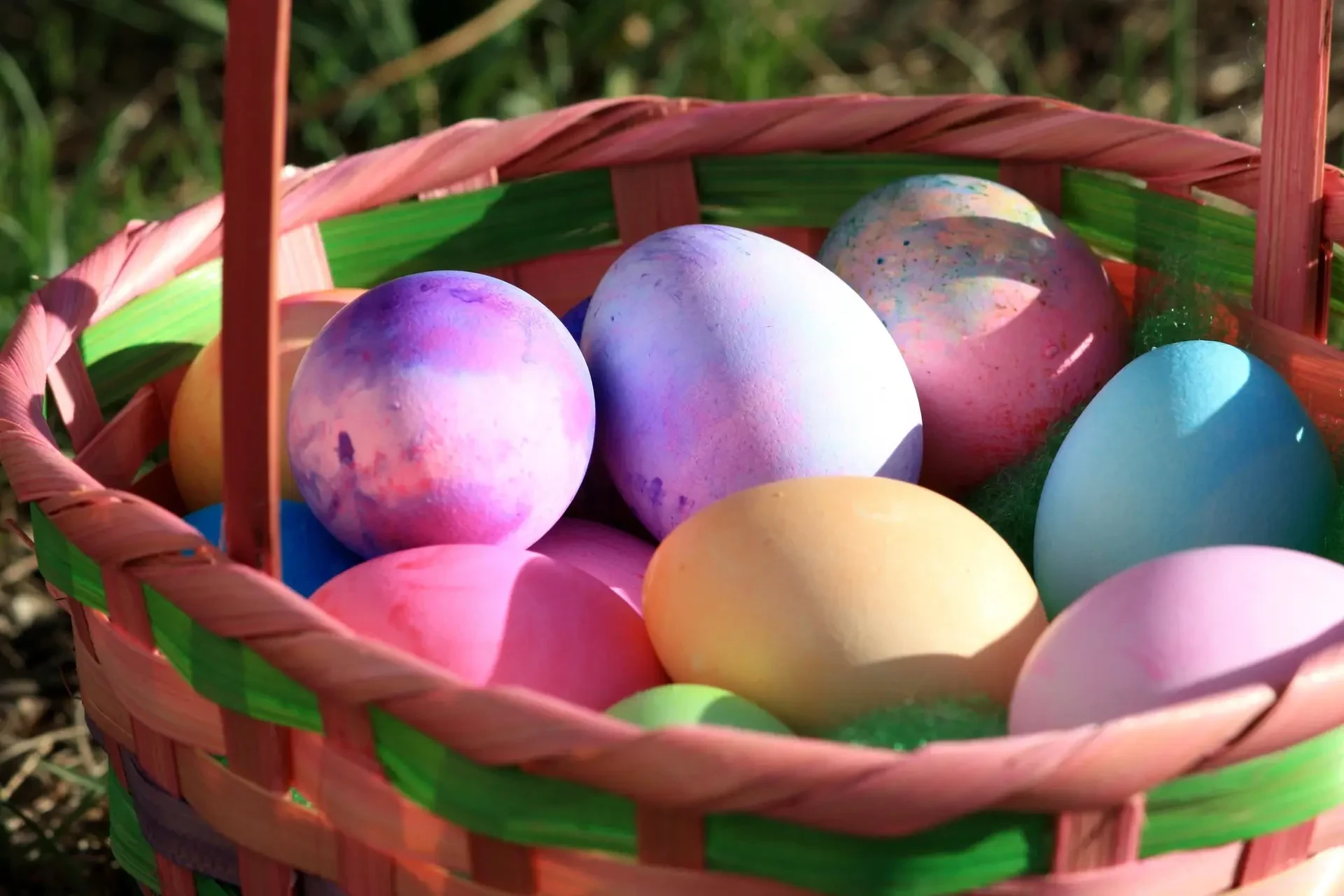
5. Easter eggs
Easter eggs, known as pisanice in Croatia, are a cherished tradition and a highlight for children. Representing new life, eggs are typically hard-boiled, dyed, and decorated. While colors are widely available in supermarkets, natural dyes offer a healthier alternative.
Natural dyes for Easter eggs can be obtained using common foods such as onion skins, purple cabbage, beets, and turmeric. Dyeing is most often done by boiling eggs in water, with vinegar added to help the dye adhere better to the shell.
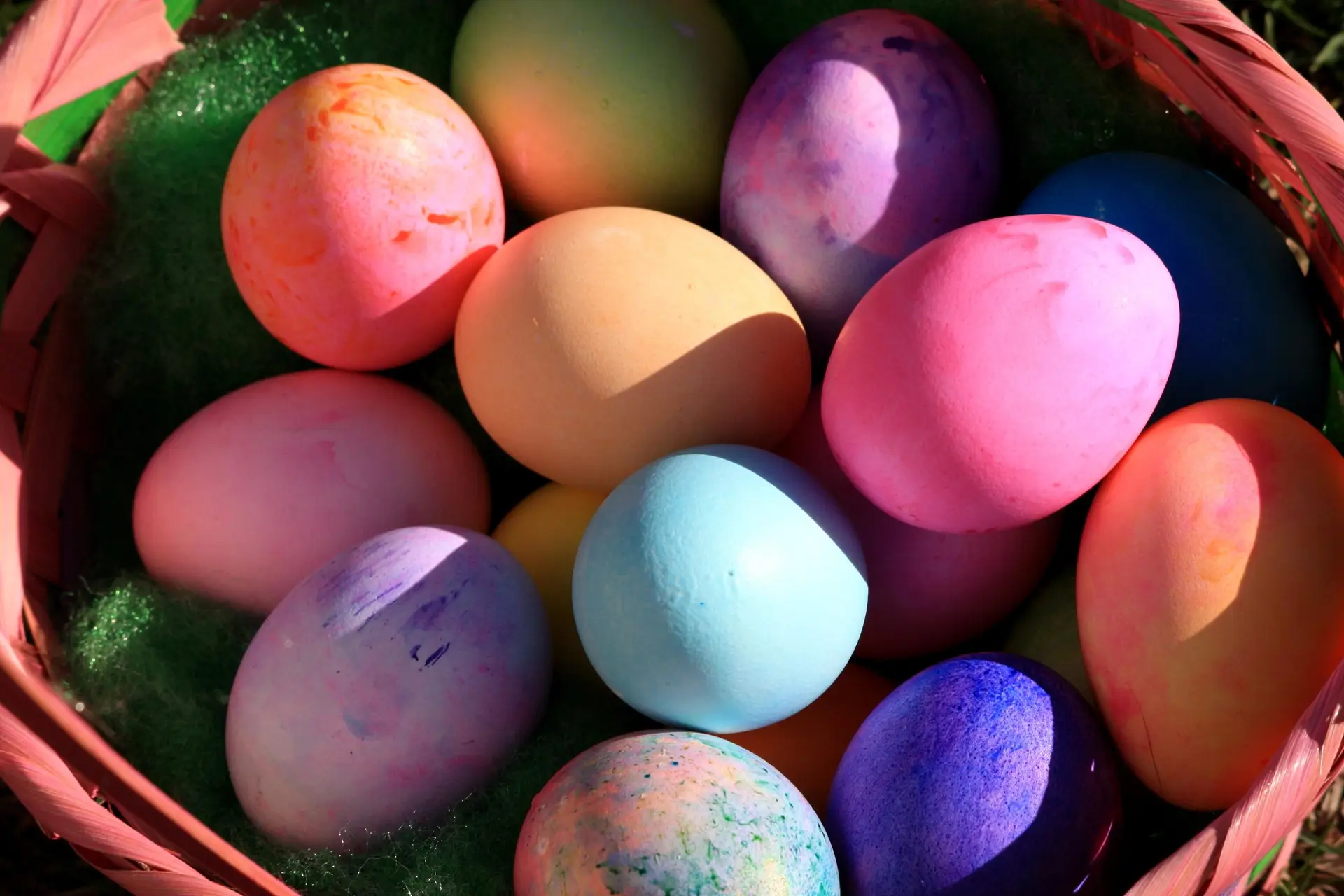 Colorful Easter Eggs
Have a Happy Easter in Croatia
We hope to inspire your Easter table decoration with colorful eggs and delicious desserts. Pair eggs with consecrated salt and serve alongside cooked Easter ham, fresh lettuce, spring onions, and radishes for a perfect breakfast.
Wish you an egg-cellent Easter!