One of the most common questions we receive is: When is the best time to visit Croatia? The answer depends on the holiday experience you want. Some months offer warm seas, others provide quiet beaches, and certain periods feature the best villa deals. The best time to go depends on you.
When is the best time to visit Croatia in 2027?
Ferie Home team lives in Dalmatia year-round, so this guide is based on firsthand experience. We outline each month with key details: air and sea temperatures, crowd levels, and villa prices. All figures reflect long-term averages for the Split area in central Dalmatia.
Two patterns are notable: air temperatures rise rapidly in spring and fall quickly in autumn, while the sea warms and cools more gradually. As a result, the sea may be cool in early June but remains warm into October. Villa prices align more with school holidays than with weather, making June and September the best value. These months offer warm weather without summer crowds, making them a perfect time to go to Croatia.
Spring in Croatia: March to May
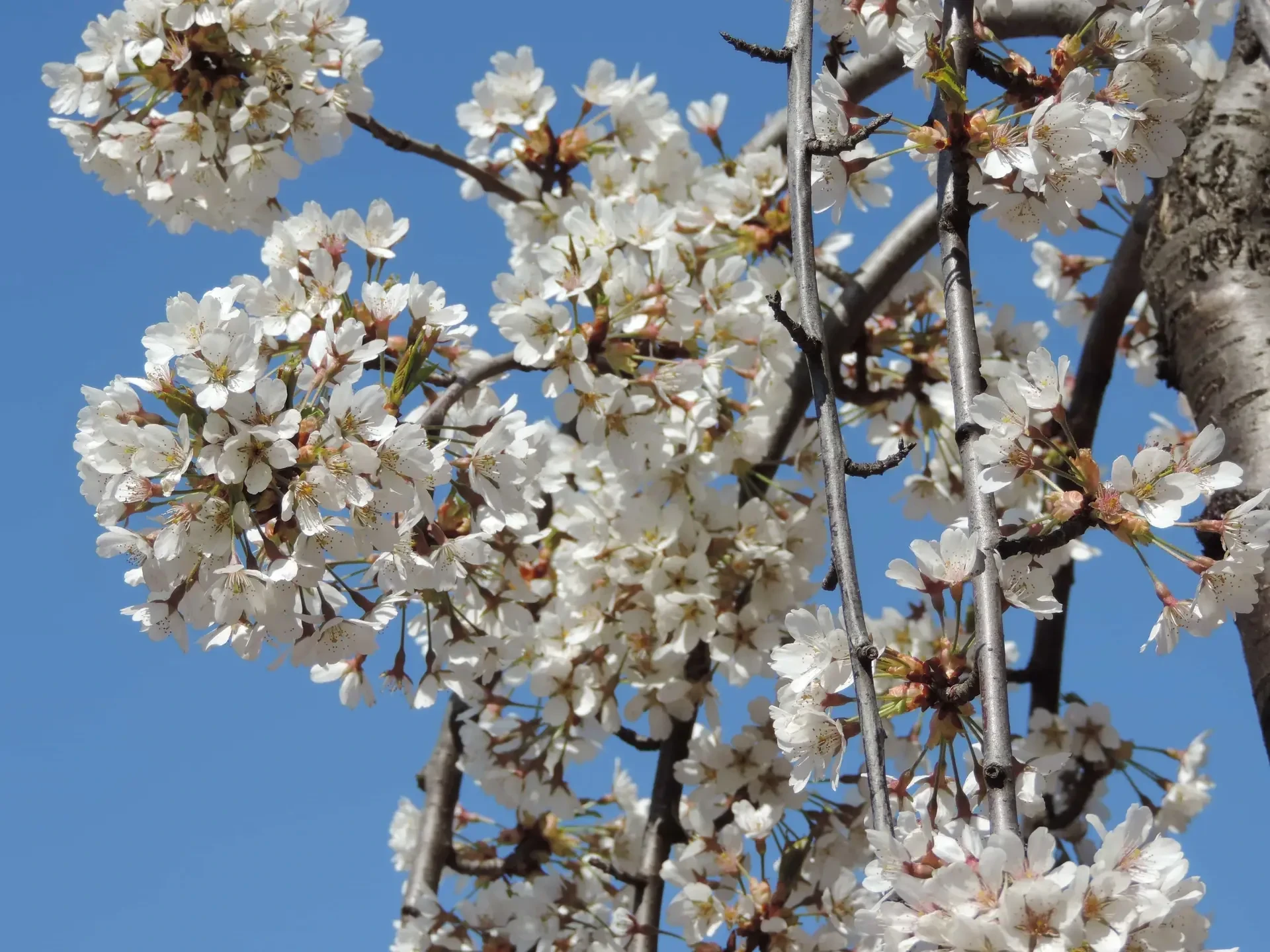
March offers mild temperatures, with days reaching the mid-teens and almond and cherry blossoms covering the hinterland. This period is ideal for visitors who want to explore Split, Trogir, and Krka National Park without the crowds.
In April, Dalmatia becomes livelier as daytime temperatures approach 20 degrees. Terraces fill on sunny weekends, and Easter marks the arrival of the first visitors. The weather is ideal for sightseeing, though sea temperatures of 15 to 16 degrees appeal mainly to dedicated swimmers.
May is frequently overlooked, yet the hills are lush and green and daytime temperatures reach the low twenties. By late May, swimming is often possible. Villa prices remain lower than in summer, and beach restaurants and boat lines begin to open. For those seeking both exploration and relaxation, Croatia in May is an excellent option.
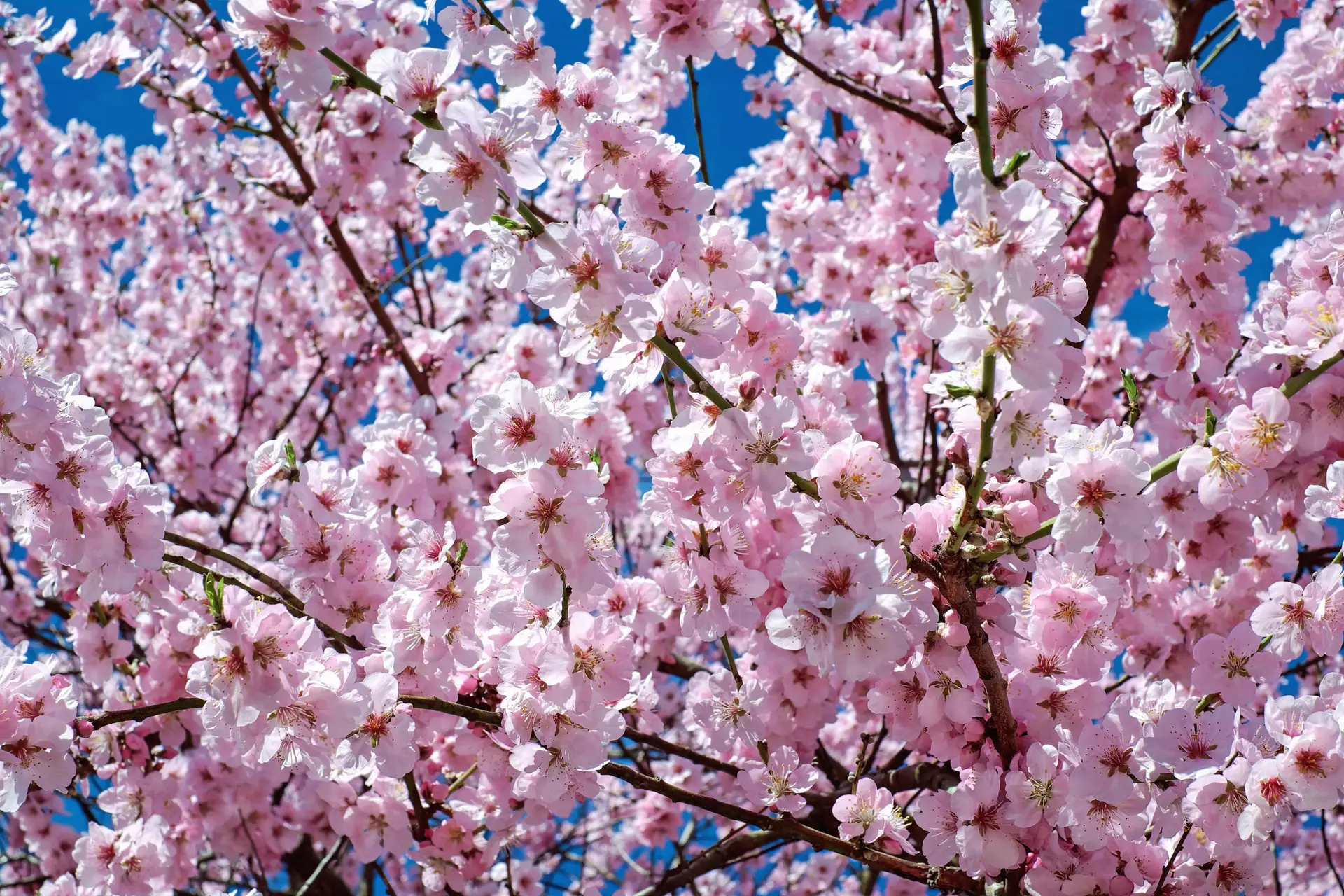 Cherry blosom in spring
Peak Season in Croatia: July and August
For most guests, June is the best all-around month. By mid-June, the sea reaches 22 degrees, days are long, and the weather is warm. Everything opens up, and the coast is lively but not crowded. Many villas are still about 30 to 40 percent cheaper than in August. The last week of June really feels like the start of high summer.
July is peak summer in Croatia. It is hot, dry, and sunny, with sea temperatures of 24 to 25 degrees. Numerous events take place, including the Split Summer Festival and Ultra Europe. However, prices are higher, roads are busier on Saturdays, and crowds are significant. If you plan to visit in July, book your villa several months in advance; our early booking guide provides further details.
August is equally hot and crowded as July, but offers even better swimming, with the Adriatic reaching 25 to 26 degrees in early August. The middle two weeks are the busiest period on the coast. After about the 22nd, crowds thin, prices drop, and the sea stays pleasant.
For more information on planning a peak-season stay, our summer villa guide details availability patterns and the best booking times.
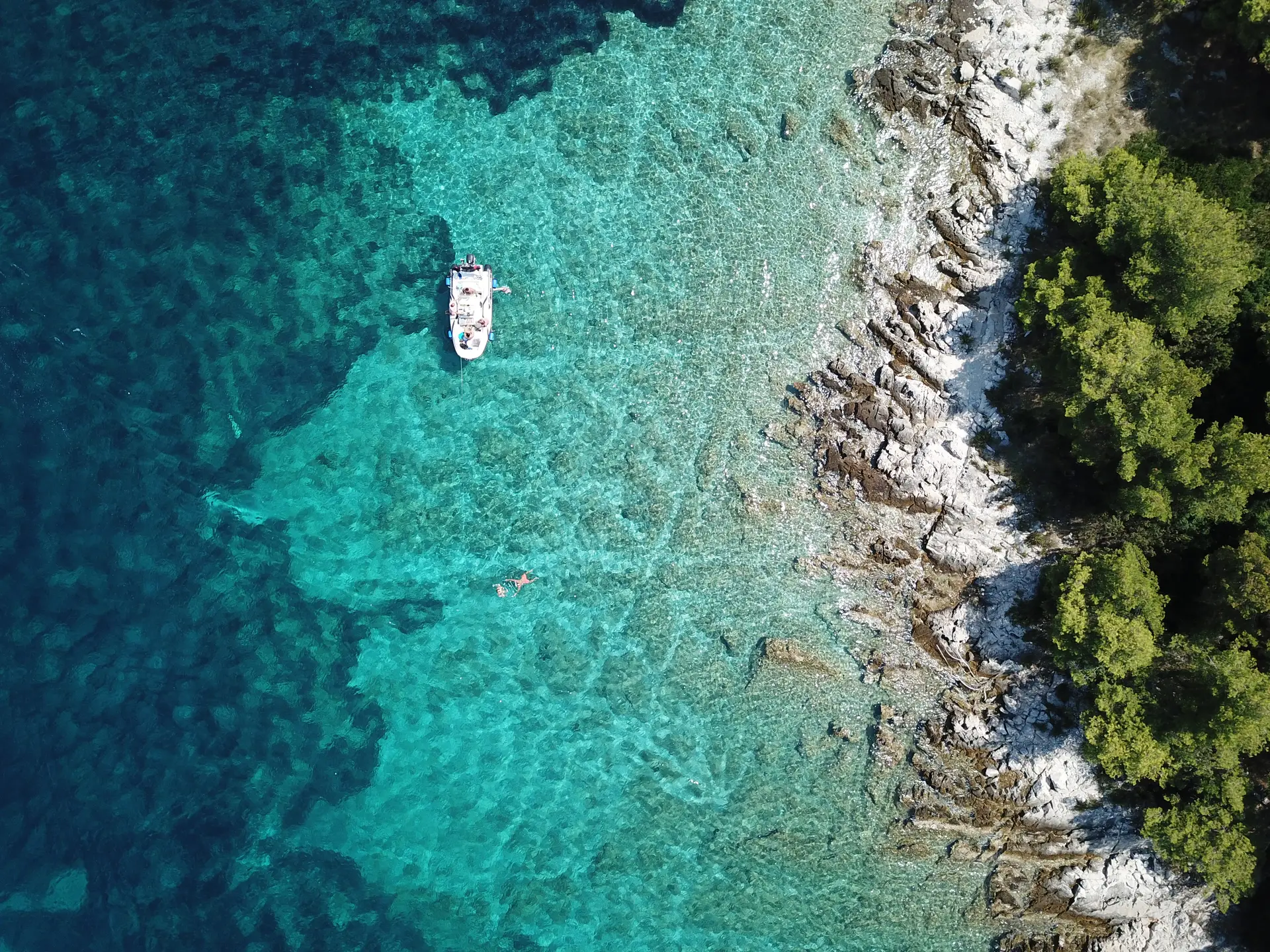 Enjoy Mediterranean Sea during summer
Autumn: September to November
September is when our team takes their own holidays. The sea stays warm at 22 to 24 degrees, even warmer than in June, and the beaches empty out as school starts across Europe. Restaurants are less busy, hiking on Biokovo is comfortable, and harvest season begins inland. Best of all, villa prices drop by 25 to 40 percent compared to August. If you don't have to follow school calendars, we highly recommend September in Dalmatia.
October provides excellent value, with daytime temperatures of 20 to 22 degrees and sea temperatures around 20 degrees early in the month. It is the most affordable month when swimming is still possible. October holidays focus on food, hiking, and exploring historic towns. Villas with heated pools let you swim all month. We offer a comprehensive guide to visiting Croatia in September and October.
November is the rainiest and quietest month on the Dalmatian coast. While it has its own charm and the lowest villa prices, it suits cozy stays by the fireplace, leisurely lunches, and city visits in Split better than beach holidays.
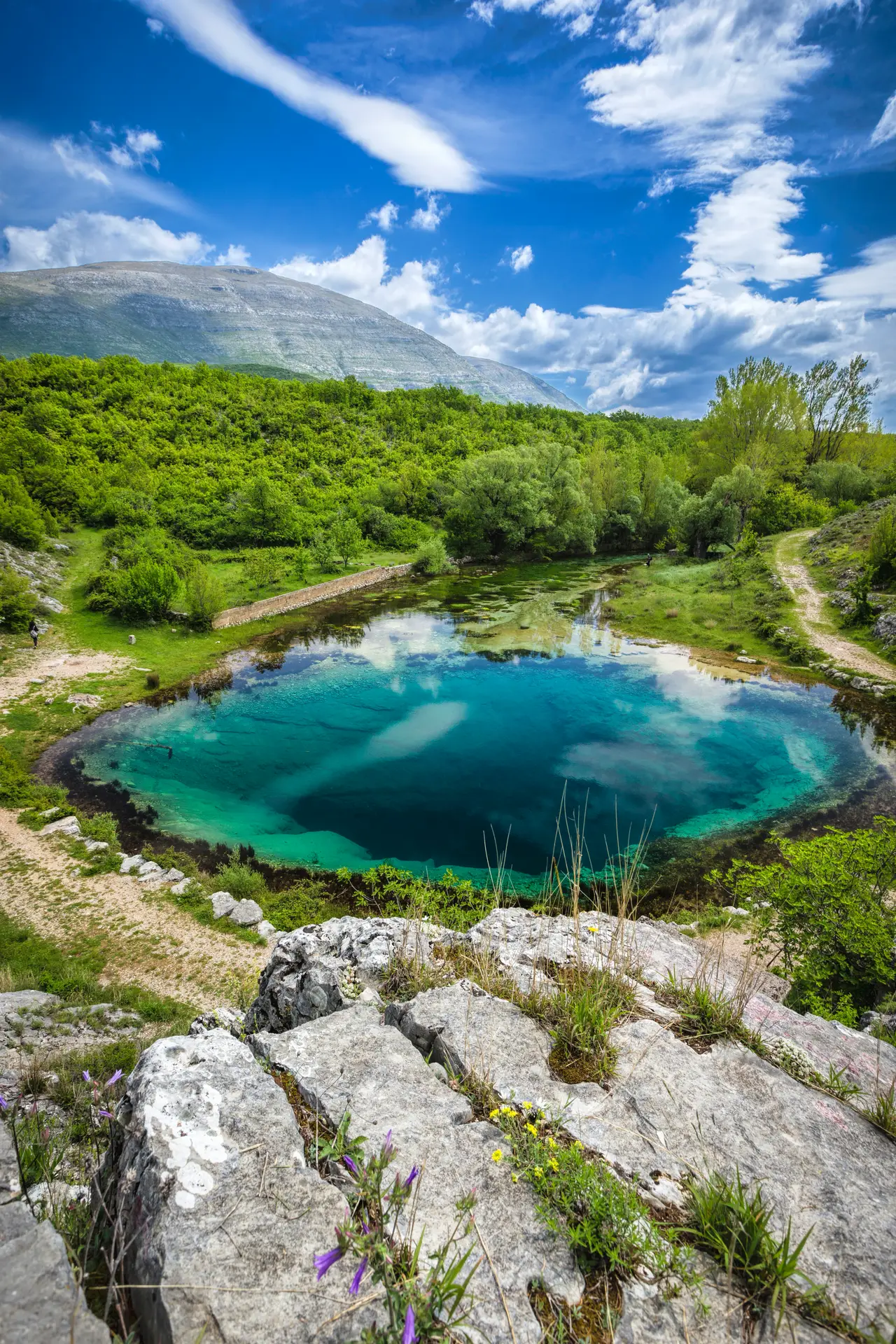 Eye of Cetina River - perfect to visit in autumn
Winter in Croatia: December to February
Winters in Dalmatia are milder than in northern Europe, with daytime temperatures typically between 8 and 13 degrees. Snow on the coast is rare. Sunny winter days on the Split Riva are particularly pleasant. Some locals even swim at Bačvice beach and play picigin - a traditional, non-competitive amateur beach game.
December brings Advent markets and a festive old-town atmosphere. January and February are the quietest months, ideal for remote workers and long-term guests seeking space and the lowest rates. Many of our villas are available for monthly winter bookings, and those with saunas or heated indoor spaces are especially comfortable.
Please contact our team directly for winter and long-stay pricing.
 Snow at Plitvice Lakes
Best Time to Visit by Traveler Type
Families tied to school holidays: The first week of July and the last week of August offer the best balance of availability and price during the school holiday period. Book by February, as our early booking guide explains.
Couples and groups with flexible dates: June or September are ideal, offering warm seas, open restaurants, and rates 25 to 40 percent below peak.
Swimmers and beach enthusiasts: Late August through mid-September, when the Adriatic is at its warmest.
Hikers, foodies, and photographers: May and October offer green hills, harvest season, quiet trails, soft light, and lower prices.
Budget-focused travelers: October, or June with an early booking discount. Review our special offer villas page during these periods.
Party and festival enthusiasts: Mid-July, when Ultra Europe and other major summer events take place in Split.
Remote workers and long-term stays: November to March, when monthly rates are lowest, and the coast is quiet.
No matter when you visit, choosing the right villa is as important as picking the right month. Explore our full Croatia villa collection, or begin with our beach villas if proximity to the sea is a priority.
Choose your preferred month, then select your villa
Regardless of your preferred month, the best villas are limited and book quickly. Browse our full Croatia villa collection, review the latest offers, or let us know your holiday preferences. With experience year-round, we are experts at matching the right villa to the right season.